Building a home is one of the biggest decisions in a person’s life. Yet the process often begins with uncertain prices, fragmented information and technical detail that makes us forget what we wanted.
Understanding what a parcel permits is difficult. Knowing what an idea may cost is harder still. Documents, costs and design live in different places—and design is often left until the end.
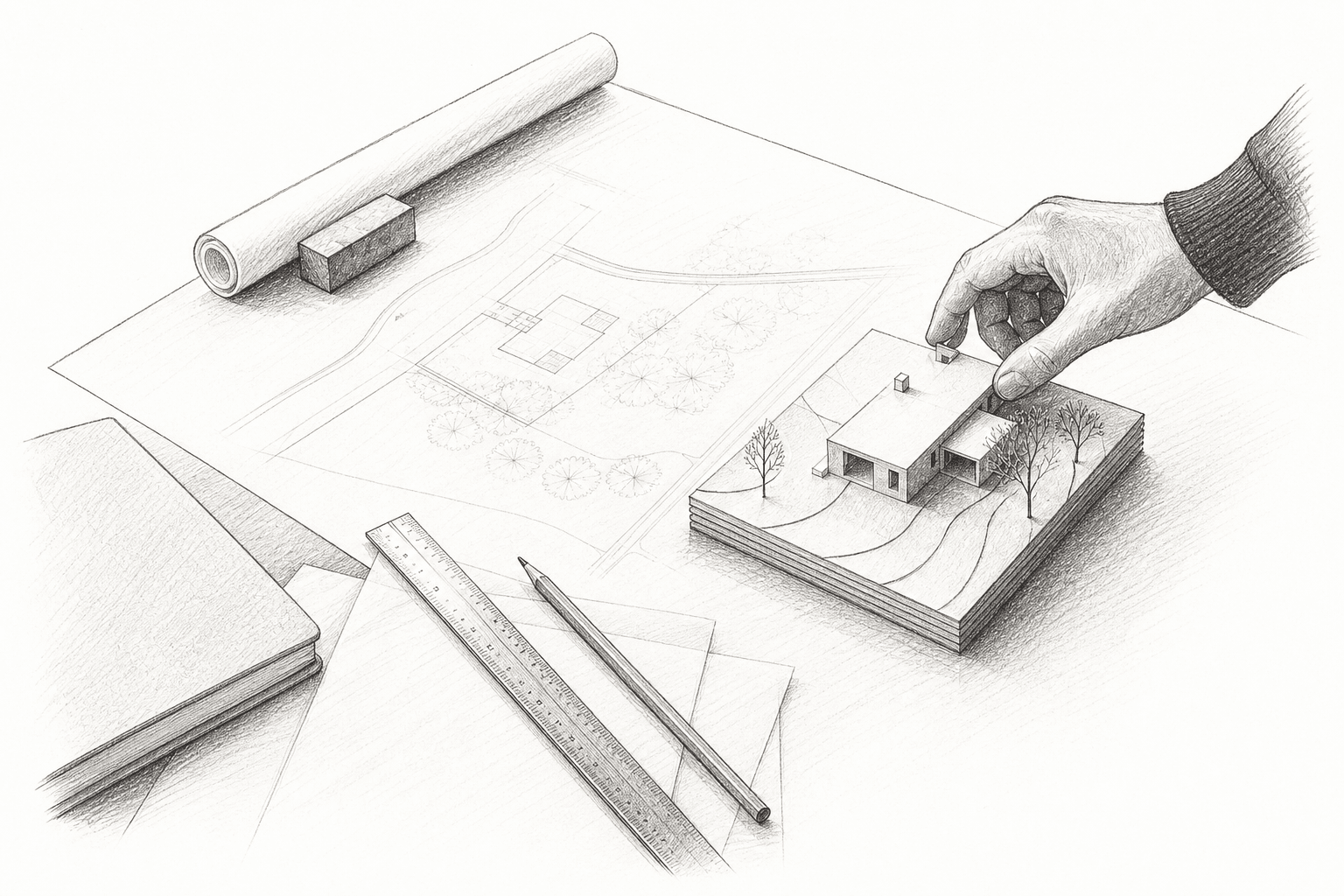
We believe this should work the other way around.
First, remember what you want to build.
Today’s building process often makes people forget the first question: how do I want to live? Before square metres, what kind of life? Before floors, what kind of street? Before unit prices, what kind of home?
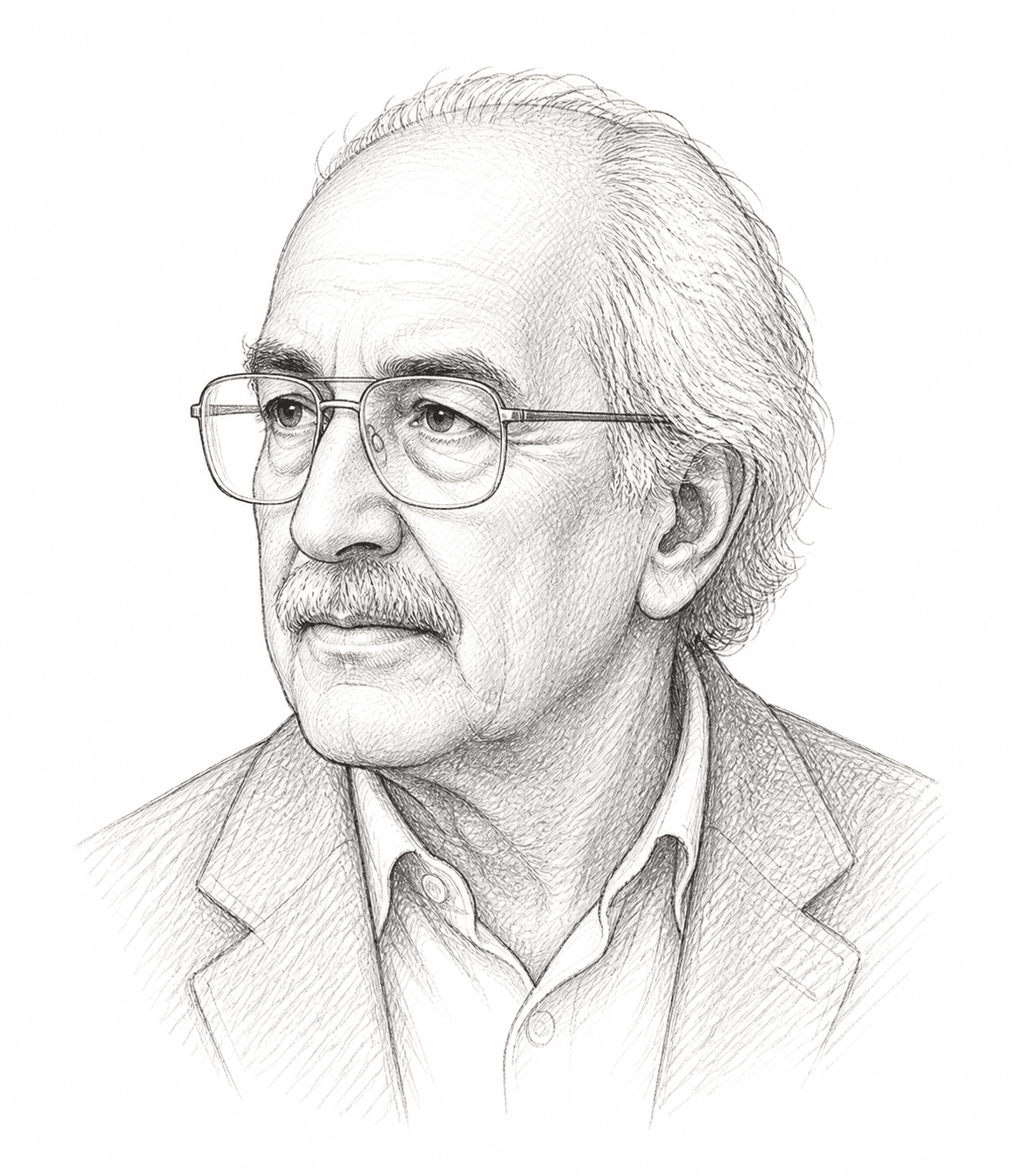
Cansever’s understanding of architecture as a conscious and ethical relationship between people and the world guides us. Transparent sources, visible costs and human-scale design can be today’s tools for that relationship.
Hidden prices destroy trust.
“What will it cost?” should begin to be answered on day one. imarmind does not promise one exact number; it reveals assumptions, ranges and decisions that change cost.
An answer without a source is not an answer.
AI can increase speed, but it cannot replace source, date and confidence. imarmind aims to show every result together with the data behind it and clearly mark where official confirmation is required.
AI is the tool. Architecture is the purpose.
We use AI not to produce identical houses, but to see more possibilities earlier—bringing architectural intuition, user intent and the reality of the land into one visual conversation.
Bringing architecture back to life.
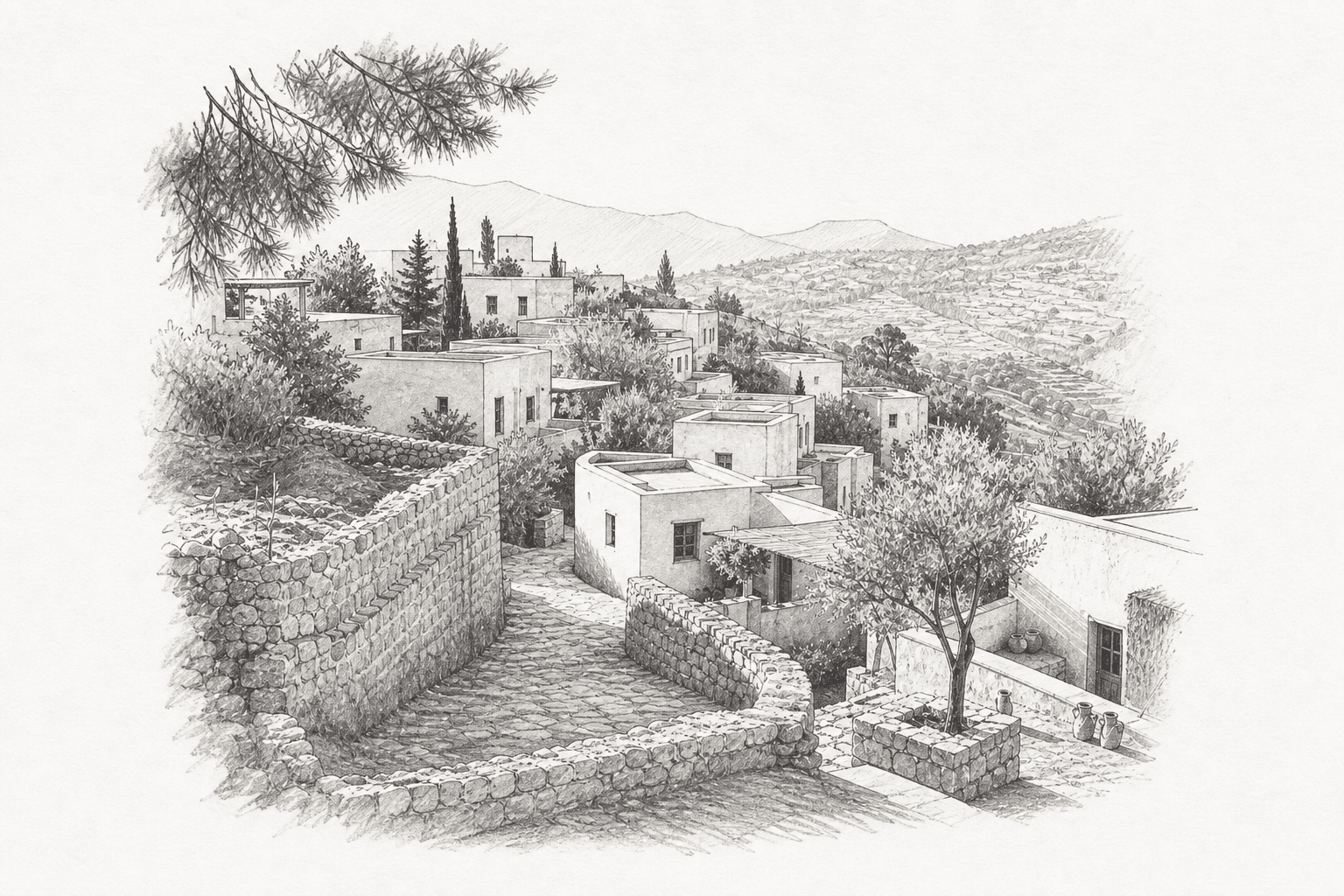
For Cansever, beauty was not only appearance; it meant peace, joy, hope and responsibility toward future generations. We read his call to “beautify the world” not as nostalgia, but as a product decision.
imarmind does not seek to replace the architect. It wants architectural thinking to begin earlier, become understandable to more people and proceed on stronger evidence.